Funded by the National Science Foundation (NSF), this program trains graduate students and junior faculty in EITM, a research strategy that integrates theoretical models and empirical research to improve and expand our understanding of politics. The institute will integrate developments and findings from throughout political science, including the substantive areas of American politics, comparative politics, international relations, and political economy.
-
Christopher Fariss

Christopher Fariss
University of MichiganChristopher Fariss's Bio -
Monika Nalepa

Monika Nalepa
University of ChicagoMonika Nalepa's Bio -
Monika Nalepa
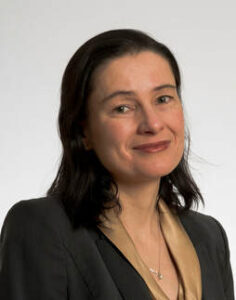
Monika Nalepa
The University of ChicagoMonika Nalepa's Bio -
Tara Slough

Tara Slough
New York UniversityTara Slough's Bio -
Arthur Spirling
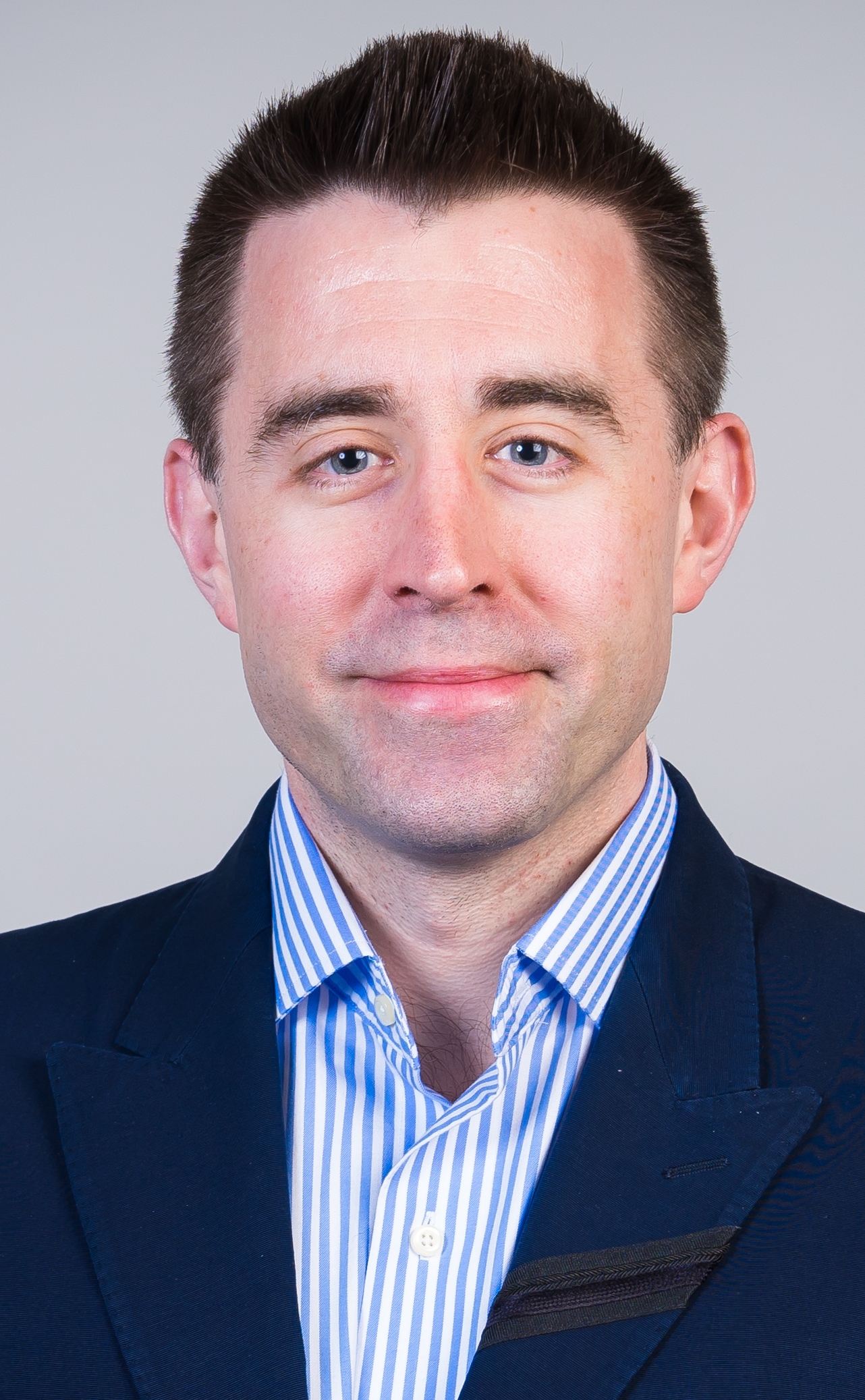
Arthur Spirling
NYUArthur Spirling's Bio -
Rocío Titiunik
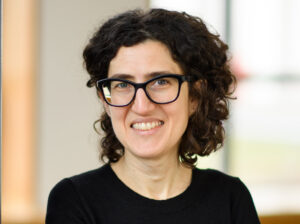
Rocío Titiunik
Princeton UniversityRocío Titiunik's Bio -
Weihua An
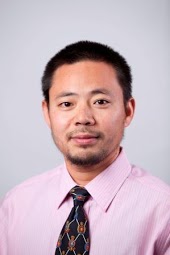
Weihua An
Emory UniversityWeihua An's Bio -
Alex Bolton
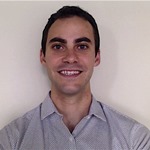
Alex Bolton
Emory UniversityAlex Bolton's Bio -
Tom Clark
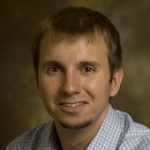
Tom Clark
Emory UniversityTom Clark's Bio -
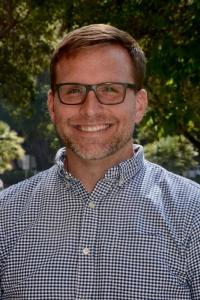
Justin Grimmer
-
Sunshine Hillygus
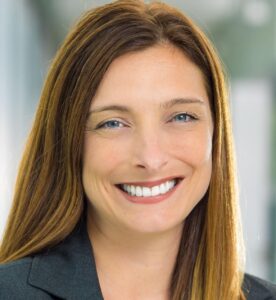
Sunshine Hillygus
Duke UniversitySunshine Hillygus's Bio -
Nahomi Ichino
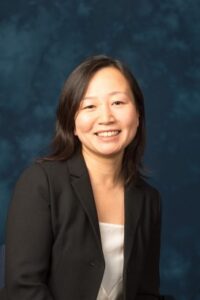
Nahomi Ichino
Emory UniversityNahomi Ichino's Bio -
Marko Klasnja
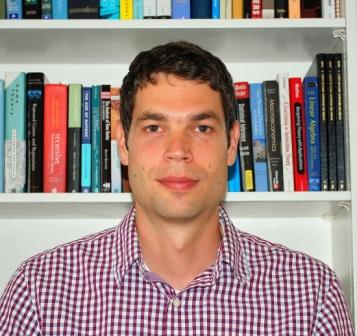
Marko Klasnja
Georgetown UniversityMarko Klasnja's Bio -
Rebecca Morton
-
John Patty
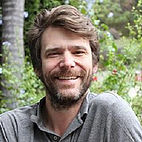
John Patty
Emory UniversityJohn Patty's Bio -
Emily Ritter
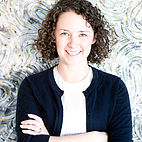
Emily Ritter
Vanderbilt UniversityEmily Ritter's Bio -
Jeffrey Staton
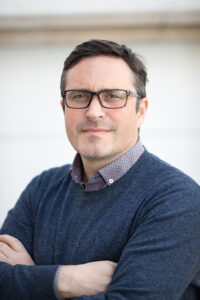
Jeffrey Staton
Emory UniversityJeffrey Staton's Bio -
Dustin Tingley
Dustin Tingley
Harvard UniversityDustin Tingley's Bio -
Danielle Jung
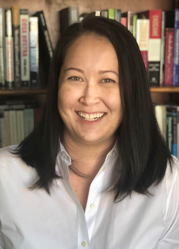
Danielle Jung
Emory UniversityDanielle Jung's Bio
The Institute combines lectures on various facets of EITM approaches, lab instruction sessions, research seminars by leading scholars, and rich feedback for participants on their own ongoing research from lead faculty, faculty mentors and other participants. The schedule below is tentative.
Arrival/Check-in
Sunday, June 30, 2019
Tentative Schedule
Week 1
- July 1–3: John Patty, Sean Gailmard, and Maggie Penn. Introduction to EITM; Model building and analysis; Social choice and measurement.
- July 5: Jeffrey Staton. Models, professionalism and ethics: The role of theory in effective preregistration.
Week 2
- July 8-9: Rocio Titunik and Marko Klansja. How research design needs theory, and vice versa.
- July 10: Emily Ritter. Strategic conflict and inference using observational data.
- July 11-12: Arthur Spirling and Scott Demarchi. Computational social science and machine learning.
Week 3
- July 15: Rebecca Morton. Laboratory experiments in political science.
- July 16: Sunshine Hillygus. Survey experiments: Data quality in design, implementation and reporting.
- July 17: Danielle Jung. The challenges of designing and conducting field experiments.
- July 18: Nahomi Ichino. Qualitative and mixed methods in political science research.
- Weihua An. From Biographies to Networks: Biographic Network Analysis with a Case Study of Politicians.
- July 19: Final conference. How do we know what we know? The epistemology of EITM.
Featured Conference Speakers
- Tom Clark
- Justin Grimmer
- Monika Nalepa
- Nahomi Ichino
- Dustin Tingley
Departure
Saturday, July 20, 2019
The information below is included for archival purposes:
Application Deadline
- Midnight, Eastern Standard Time, Friday, March 8, 2019.
- Applicants will be notified of decisions by late March.
- All application materials should be sent in PDF format.
A complete application consists of the following four components:
- Description of your EITM research proposal (5 pages). We will base admission substantially on the quality and potential of this proposal — particularly its integration of theoretical modeling and empirical testing.
- Brief statement of interest and purpose in applying for the summer program (1-2 pages).
- Curriculum Vita with name and contact information, current location and position. If you are a student, the CV should indicate your current status in graduate school (e.g., whether you’ve passed exams and defended a dissertation proposal).
- Two letters of recommendation. Letter writers will be automatically contacted for their letters.
We intend to accept about 25 participants — mostly advanced graduate students who are past their general exams, preferably with a completed dissertation prospectus or plan but not yet at the writing-up stage. We will also accept some junior faculty, preferably at a stage where they are wishing to add research to a defended dissertation before publication, or embarking on a second project. Applicants will be notified of our acceptance decisions (via e-mail).
Tuition and full financial support (including a stipend for round-trip airfare and dormitory housing, as necessary, plus a modest allowance for meals and incidentals) are provided for U.S. participants and for foreign students studying at U.S. institutions. A substantial portion of international participants’ expenses will also be covered. Please note that in order to receive program support, EITM Institute participants will need to be in residence for the duration of the program.
Emory University is a nationally recognized research university with a deep history of extraordinary academic achievement. Atlanta, Emory’s home, is the American Southeast’s largest city, brimming with energy and diversity. It played an important part in both the Civil War and the 1960s Civil Rights Movement. The Atlanta History Center chronicles the city’s past, and the Martin Luther King Jr. National Historic Site is dedicated to the African-American leader’s life and times. Centennial Olympic Park, built for the 1996 Olympics, encompasses the massive Georgia Aquarium, the World of Coca-Cola, and the Center for Civil and Human Rights.
Find out about 20 free things you can do in Atlanta. Or, check out the 50 Best Things to Do in Atlanta from Atlanta Magazine.


Alumni
-
Dogus Aktan
-
Talbot Andrews
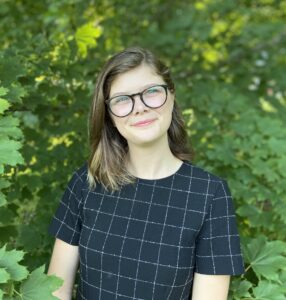
Talbot Andrews
PrincetonRead Bio -
Caglayan Baser
-
Austin Bussing
-
Justin Canfil

Justin Canfil
Columbia UniversityRead Bio -
Peter Carey
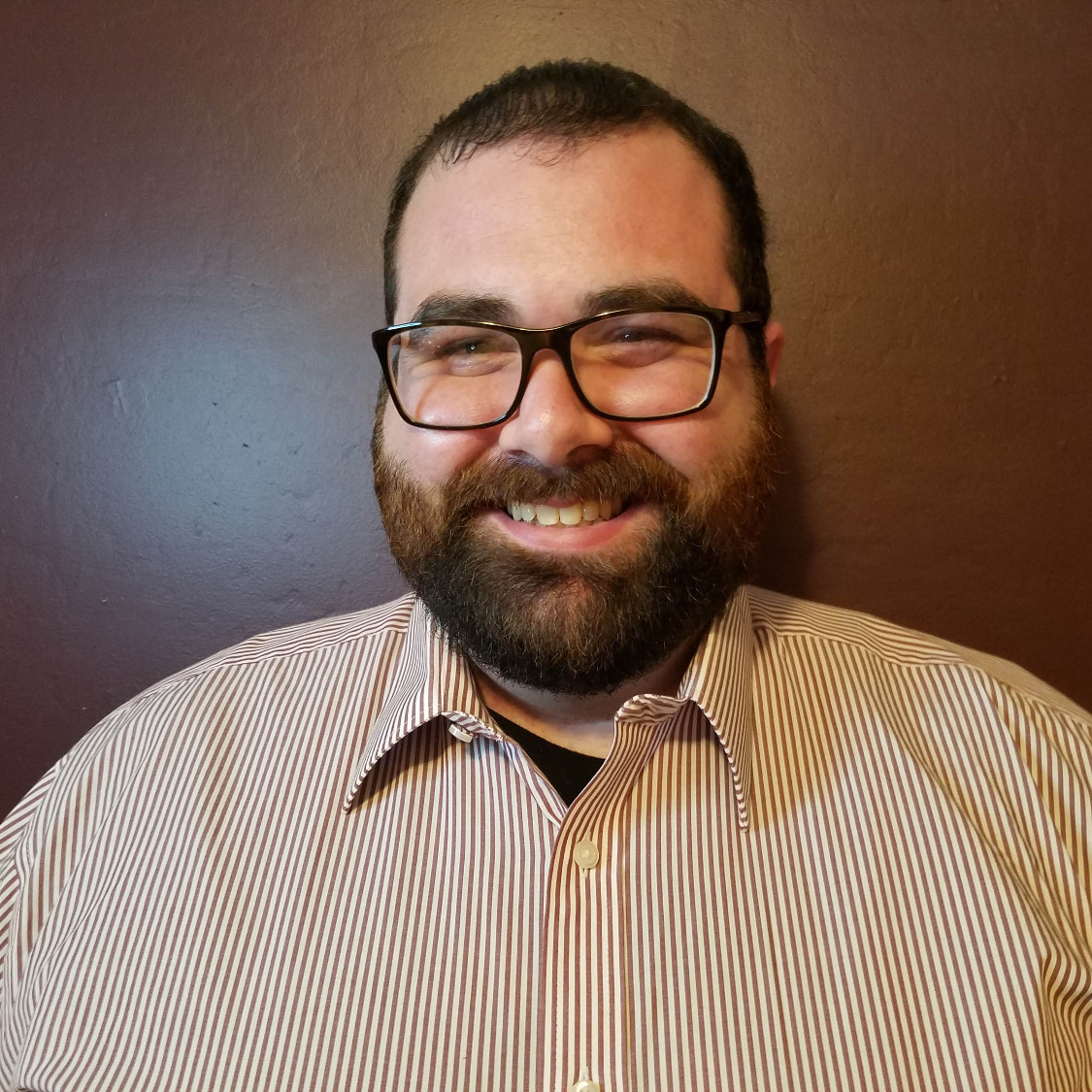
Peter Carey
University of California, MercedRead Bio -
Gustavo Diaz
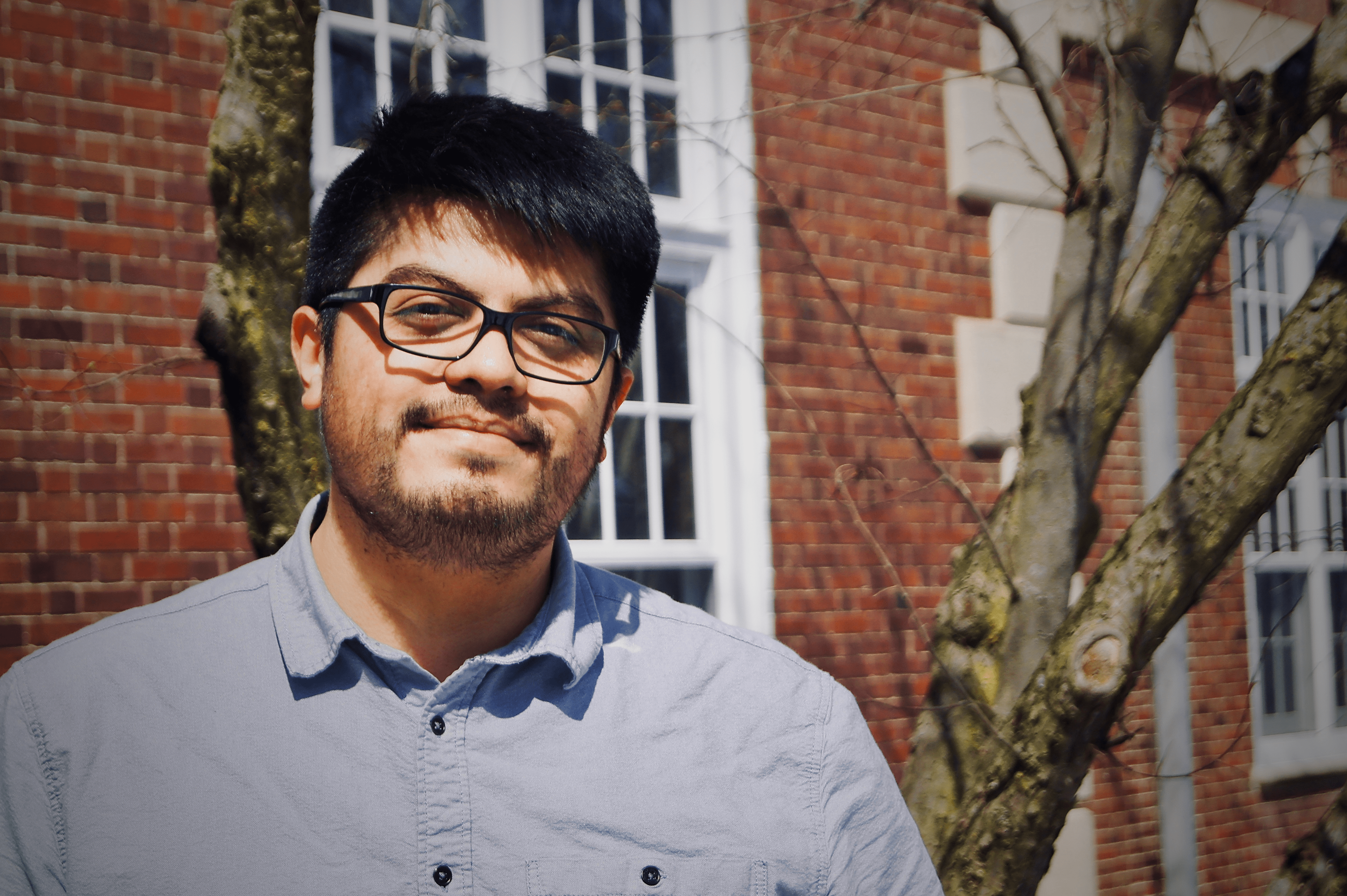
Gustavo Diaz
University of Illinois at Urbana-ChampaignRead Bio -
Edward Goldring
-
Selina Hofstetter

Selina Hofstetter
Democracy & Polarization Lab, Stanford UniversityRead Bio -
Jose Kaire
-
Gento Kato
-
Jieun Kim
-
Alice Kisaalita
Alice Kisaalita
Soluta, Inc.Read Bio -
So Jin Lee
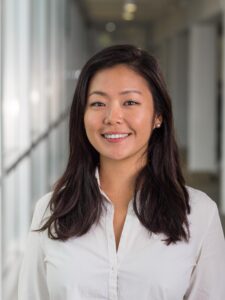
So Jin Lee
Duke University/Johns Hopkins University-SAIS/University of Notre DameRead Bio -
Ruoxi Li
-
Alejandro Medina
-
Gregoire Philips
-
Michael Pomirchy
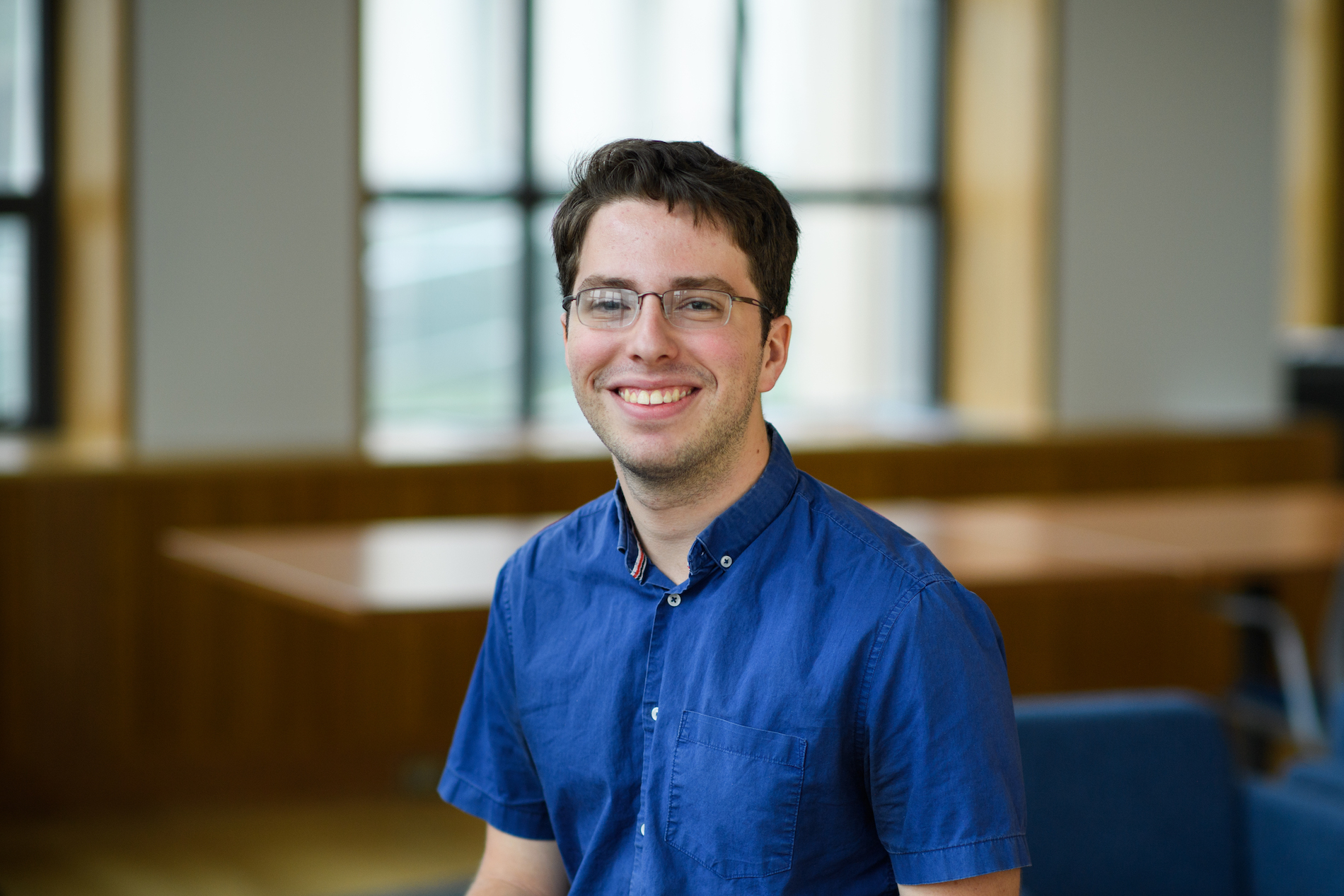
Michael Pomirchy
Princeton UniversityRead Bio -
Eli Rau
-
Rick Sperling
-
Alex Stephenson
Alex Stephenson
UC BerkeleyRead Bio -
Tiago Ventura
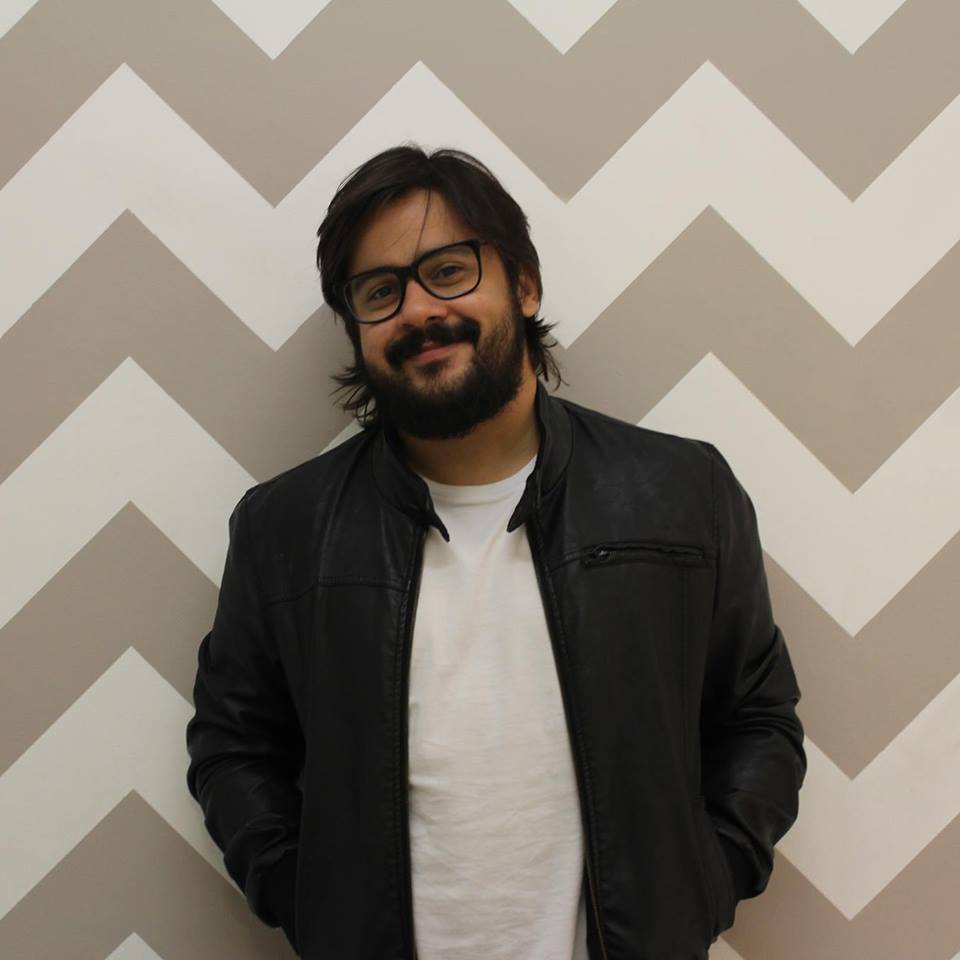
Tiago Ventura
University of MarylandRead Bio -
Chen Wang
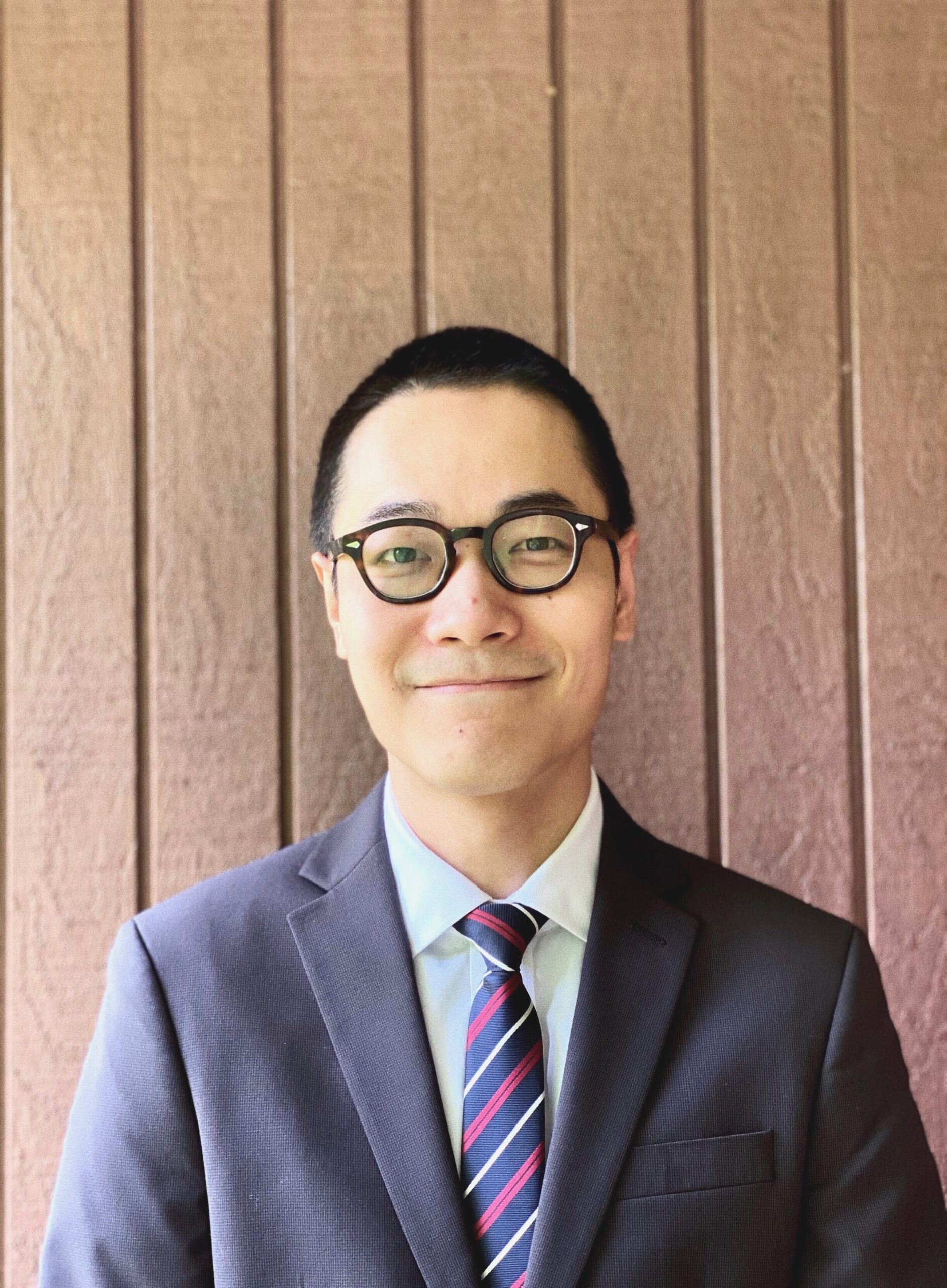
Chen Wang
University of VirginiaRead Bio -
Sidak Yntiso
-
Tamar Zeilberger
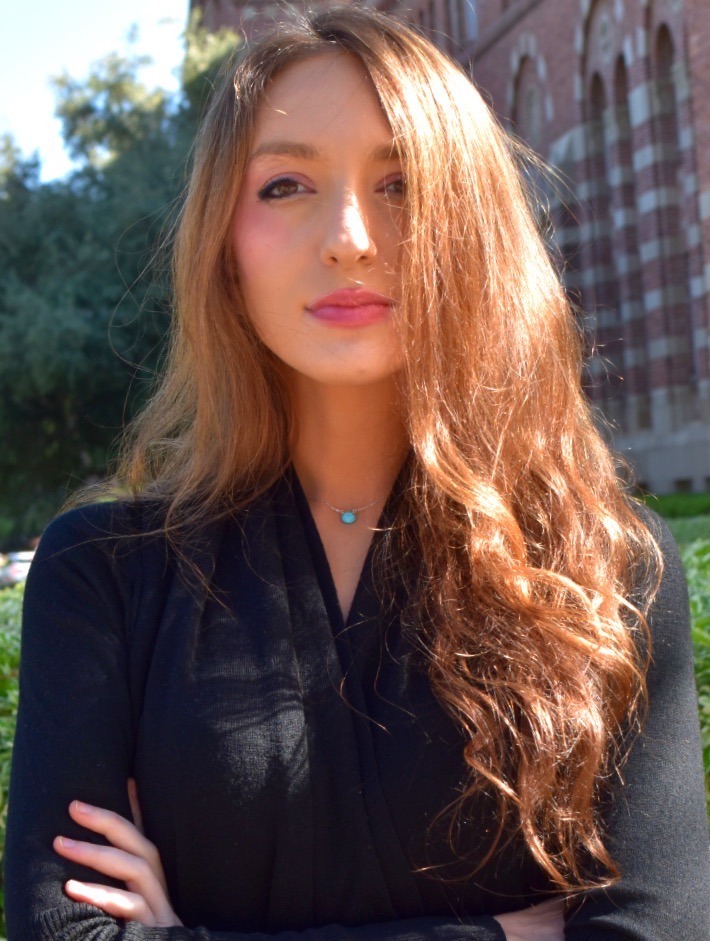
Tamar Zeilberger
University of California, Los AngelesRead Bio